















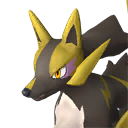
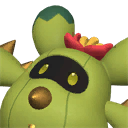



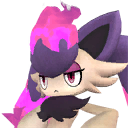



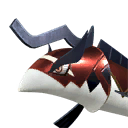














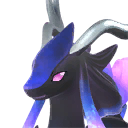




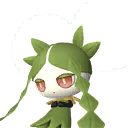





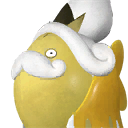




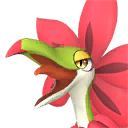



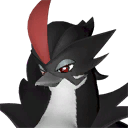



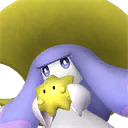




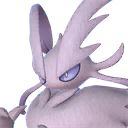


Browse new Pals in Palworld 1.0 by name and breeding status
The new Pals in Palworld 1.0 directory isolates the 72 release additions from the complete 300-entry selector. Search by name, confirm the portrait, and open Find Parents to see which direct combinations reach the target. The New 1.0 badge tells you when the entry joined the roster; it does not guarantee that every entry uses an ordinary breeding route.
Use the filtered list as a checklist while learning the release. Because the 300-entry selector includes distinct variants, its total answers a different question from a base-species-only count. For breeding, the exact selectable entry is what matters.
Distinguish a new species from a new variant
A newly introduced variant is still a separate breeding selection. It may share part of a name, design, or theme with an existing Pal, but do not substitute one for the other in a pair. Match the complete name and portrait before saving a combination.
This distinction also explains why public Pal totals can differ. One list may count only new base species while another counts every distinct variant. The New 1.0 filter contains 72 additions as selectable entries, and every breeding lookup keeps those related names separate.
Check whether a new Pal can be bred
Do not assume that every new entry has ordinary parent pairs. Open Find Parents for direct combinations, then compare the listed options against your Palbox. If no pair appears, confirm the variant and look for another acquisition method instead of testing random combinations.
An exact-combination note means the final parents and any displayed gender roles matter. A no-result message means the chain planner has no supported species path from the current selection. Adding more owned Pals can reveal a longer connection, but it cannot make an unavailable target breedable.
Understand how new entries affect older routes
A changed roster can affect the set of possible results and the choices shown by a calculator. That does not prove that every familiar pair changed. Verify the exact old combination you intend to use, then compare its current child and any new alternatives. This pair-by-pair approach avoids both extremes: blindly trusting an old chart and assuming the entire chart is obsolete.
New Pals can also become useful intermediates. Search their parent options and review what they can produce as parents. A new intermediate may shorten a route from your collection even when it is not the final target. Add any newly hatched species to your Palbox list and run the chain again, because one extra starting option can remove an entire branch from the next plan.
Plan a route to a new target
Begin with the target's reverse page. Mark direct pairs where both parents are owned and save one alternative that uses a prepared passive carrier. If neither parent is available, open the chain planner, add your current Pals, and compare generation depth with total operations. Check each special or gender condition before beginning.
Expect species planning and trait planning to remain separate. Reaching a new species does not guarantee passives, individual values, gender, mutations, or work bonuses. Keep useful intermediate offspring and budget additional eggs when the final build matters.
Report a missing or mislabeled version 1.0 Pal
A useful report identifies the exact English name, variant relationship if any, where the Pal appears in the current game, platform, and build. For a breeding issue, add both parents and the child observed. A screenshot can clarify a spelling or result. Account credentials and full save files are unnecessary.
Treat the New 1.0 badge only as version information. It cannot confirm a parent pair by itself. Recheck the exact names in Find a Child and compare one egg in the current game before changing a long route.
Frequently asked questions
How many new Pals were added in version 1.0?
The current directory marks 72 additions from version 1.0. This is a count of distinct selectable entries in the roster, including any variants that require their own breeding selection.
Are all new version 1.0 Pals breedable?
Do not assume so. Introduction version and acquisition method are separate facts. Select the exact target in Find Parents to check ordinary pairs, then consult the special list when an exact combination applies.
Are variants counted as new Pals?
Yes, when the variant itself was introduced in version 1.0 and requires a distinct selection. That is why a selectable-entry total can differ from a count of new base species only.
Can a new Pal shorten an old breeding route?
It may provide another intermediate or parent option when supported by current combinations. Add the Pal to your owned list and compare the chain rather than assuming that every new entry improves every route.
Why is a new Pal missing from the calculator?
Confirm its English name, variant, and current game build. Search all 300 selectable entries, not only the 72 New 1.0 cards. If the exact entry is still absent, record its name and portrait instead of selecting a similar Pal.